Beauty & Personal Care in 2026: Best Skincare Products, LED Face Masks, Beauty Gadgets and Hair Styling Tools

Affiliate Disclosure: This article may contain affiliate links. If you purchase through these links, we may earn a commission at no additional cost to you.
Click here and visit now-
Beauty technology and personal care products continue to evolve, giving people more ways to build skincare routines and achieve salon-inspired results at home. From everyday moisturisers and sunscreen to LED face masks and advanced hair styling tools, there are now options for different budgets, skin types and lifestyles.
But with so many products competing for attention, how do you know which ones are genuinely useful? This guide explores four popular beauty categories, explains what to look for before buying and highlights products and features worth comparing in 2026.
How to Choose Beauty Products in 2026
The beauty industry is full of exciting launches, clever packaging and products promising professional-looking results at home. But a higher price or a long list of ingredients does not automatically mean a product is better. The right choice depends on your skin type, hair texture, personal routine and the specific result you want. A gentle cleanser that suits your skin may be more useful than an expensive collection of products that causes irritation or sits unused on your bathroom shelf.
A practical approach is to separate everyday essentials from optional beauty upgrades. Skincare products such as cleansers, moisturisers and sunscreen form the foundation of a routine, while LED masks, facial devices and heated styling tools are additional purchases. Before buying anything, look at product instructions, safety information, return policies and independent reviews. For electronic beauty devices, also check the warranty, replacement parts and whether the product has appropriate safety certifications. This helps you spend money on products that fit your lifestyle rather than simply following the latest trend.
Best Skincare Products for Daily Use
What are the essential steps in a minimalist skincare routine? – KBL Cosmetics
Moisturizing Face Cream • Glow Jar Beauty & Skincare – Glow Jar Beauty Inc.
6
A good daily skincare routine does not need ten different products. For most people, the basics are straightforward: cleanse the skin, moisturise it and protect it from the sun. You can add targeted treatments depending on concerns such as dryness, uneven tone, acne or visible signs of ageing, but it is sensible to establish a comfortable basic routine first. Dermatologists frequently emphasise consistency over complicated product layering, and a simple routine is often easier to maintain over the long term.
The American Academy of Dermatology recommends a simple approach that includes cleansing, moisturising and sun protection. It also points out that effective skincare does not have to be expensive. American Academy of Dermatology+1
This is useful advice when shopping online, where premium packaging and influencer recommendations can make ordinary products appear more essential than they really are.
Essential Products for a Simple Routine
1. Gentle facial cleanser
A cleanser removes sweat, excess oil, dirt, sunscreen and makeup. The best option should clean your skin without leaving it uncomfortably tight or dry. If you have dry or sensitive skin, consider a gentle cream or lotion cleanser. If your skin is oily, a lightweight gel cleanser may feel more comfortable. People with acne-prone skin may also consider a cleanser containing salicylic acid, although stronger active ingredients can cause dryness or irritation if overused.
2. Daily moisturiser
Moisturiser helps reduce water loss and supports the skin’s protective barrier. For dry skin, a richer cream containing ingredients such as ceramides, glycerin or hyaluronic acid may be useful. Oily skin may feel more comfortable with a lightweight lotion or gel formula. Even if your skin produces excess oil, skipping moisturiser completely is not necessarily helpful; the goal is to find a texture that feels comfortable and does not clog pores.
3. Sunscreen
Sunscreen is one of the most important daily skincare purchases. Look for broad-spectrum protection with SPF 30 or higher, and choose a formula you are comfortable applying in the recommended amount. Water resistance may be useful if you sweat or spend time outdoors. Reapply according to the product directions, particularly when outdoors for extended periods. In India, where sun exposure can be intense, selecting a sunscreen that suits your skin type and daily routine can make regular use easier.
4. Targeted serum
Serums are optional products designed to address particular skin concerns. Vitamin C is commonly used in routines focused on uneven tone and antioxidant protection. Niacinamide may suit people looking for help with visible oiliness and uneven skin appearance. Hyaluronic acid is a popular hydration ingredient, while retinoids are used in some routines targeting acne or signs of ageing. These ingredients are not interchangeable, and stronger active treatments should be introduced gradually.
Ingredients to Look For
| Skin concern | Ingredients worth researching | What to consider |
|---|---|---|
| Dryness | Glycerin, hyaluronic acid, ceramides | Hydration and skin-barrier support |
| Oily appearance | Niacinamide | Lightweight formulas may feel more comfortable |
| Acne-prone skin | Salicylic acid | Can cause dryness; introduce carefully |
| Uneven tone | Vitamin C, selected exfoliating acids | Results vary; sunscreen remains important |
| Sensitive skin | Ceramides, colloidal oatmeal | Fragrance-free formulas may be easier to tolerate |
| Signs of ageing | Retinoids, moisturisers, sunscreen | Introduce active ingredients gradually |
A useful product example to compare is the Cetaphil Gentle Skin Cleanser & Sun SPF 30 Light Gel Combo A…. The listing shows a cleanser and sunscreen combination, which may appeal to shoppers looking for basic routine products. Its displayed price is ₹1,719 from Nykaa; check the product sizes, exact SPF information and current listing before purchasing.
The most important thing is to avoid buying several new active products at the same time. Introduce one product at a time, follow its directions and stop using it if it causes a reaction. If you have persistent acne, eczema, rosacea or another skin condition, a dermatologist can help you choose suitable products rather than relying on trial and error.
Best LED Face Masks: A Buying Guide
LED Face Mask | Red Light Therapy Masks | CurrentBody
Does Red Light Therapy Make Melasma Worse? | Project E Beauty | Project E Beauty
Close-up of red led light therapy face mask
9
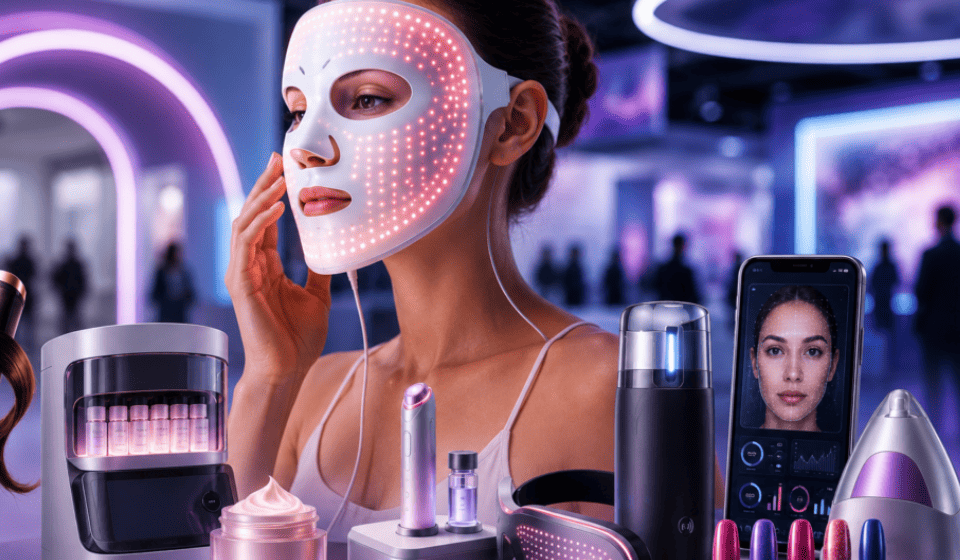
LED face masks have become popular among people interested in bringing beauty treatments into their home routines. These devices use light-emitting diodes to deliver selected wavelengths of light to the skin. Depending on the device, the light may include red, blue or near-infrared wavelengths. Different wavelengths are studied for different skin effects, which is why it is important to understand what a particular device is designed to do rather than assuming every colourful mask offers the same benefits.
An LED mask is not a replacement for a dermatologist’s treatment or a basic skincare routine. Results can vary, and product quality, wavelength, light intensity, treatment time and consistency all matter. Some devices are supported by more technical information than others. Be especially cautious of products promising to remove wrinkles, cure acne or transform skin in only a few sessions. Treat an LED mask as an optional beauty device, not a guaranteed shortcut to perfect skin.
How LED Light Therapy Works
LED light therapy uses specific wavelengths of light rather than the ultraviolet radiation associated with sunburn and skin damage. Red-light devices are commonly marketed for skin appearance and signs of ageing, while blue-light devices are often marketed for acne-related concerns. Near-infrared light may also be included in some devices. However, the presence of several colours does not automatically mean that a mask is more effective.
When comparing devices, look for clear technical details about the wavelengths used, recommended treatment duration and intended use. Ideally, the manufacturer should provide safety instructions and explain who should avoid the product. If you have a skin condition, take medication that increases light sensitivity or have concerns about eye safety, speak to a healthcare professional before using a device.
Features to Compare Before Buying
A good buying decision starts with the device’s technical specifications. Check whether the manufacturer discloses the wavelengths in nanometres, the treatment time, irradiance or power density and recommended frequency of use. A product that simply advertises seven colours without explaining its output gives shoppers less information with which to assess its claims. Fit and comfort are important too: a mask that presses uncomfortably against the face or is difficult to clean may not be practical for regular use.
Eye protection deserves particular attention. Follow the manufacturer’s instructions about eye shields and whether the device should be used with eyes open or closed. Do not assume that every LED mask is safe to use without protection simply because it is designed for home use. Also check the return policy, warranty, replacement straps and whether the device has appropriate regulatory clearances for the claims being made in your market.
Some models worth researching include the CurrentBody Skin LED Red Light Therapy Face Mask: Series 2, listed at ₹60,672.15 through StyleDotty, and the LED Light Therapy Mask by Project E Beauty LED Face Mask, listed at ₹19,900 through Project E Beauty IN + others. These are examples to compare, not medical endorsements. Verify the exact model, technical specifications, safety documentation and seller credentials before making a purchase.
The American Academy of Dermatology also advises that facial masks should complement, not replace, regular skincare. It recommends choosing ingredients suited to your skin and following the instructions rather than leaving masks on for longer than directed. American Academy of Dermatology
The same sensible approach applies to beauty devices: follow the manufacturer’s directions and avoid increasing usage in the hope of getting faster results.
Top Beauty Gadgets Worth Trying
Kawaii Stop Beauty and Health for Your Wellness Journey
Meilleur Appareil Électrostimulation pour Visage en 2026
9
Beauty gadgets can make certain parts of a personal-care routine more convenient. Some are simple tools, such as facial rollers and cleansing brushes, while others use electrical stimulation, heat, vibration or light. The useful ones are generally those that solve a specific problem without adding unnecessary complexity. For example, someone who enjoys facial massage may appreciate a reusable roller, while someone who wants to simplify hair removal may prefer an electric trimmer designed for their needs.
However, it is worth separating convenience from proven results. A vibrating facial brush may make cleansing feel more enjoyable, but that does not mean it delivers a medical-grade treatment. A facial roller may temporarily help the skin feel refreshed, but it should not be expected to permanently reshape facial features. Before buying a beauty gadget, ask yourself whether you will use it regularly, whether it is suitable for your skin and whether it requires replacement heads, charging or special cleaning products.
Facial Cleansing and Massage Devices
Electric facial cleansing brushes use soft bristles or silicone surfaces to help remove surface dirt and product residue. They may appeal to people who enjoy a gadget-assisted cleansing routine, but aggressive brushing can irritate sensitive or acne-prone skin. If you choose one, look for gentle settings, washable surfaces and clear cleaning instructions. You do not need to use a cleansing device every day simply because it has multiple intensity levels.
Facial rollers and gua sha tools are popular for massage and relaxation. They are generally straightforward to use and do not require charging or complicated setup. Keep the tool clean, use gentle pressure and avoid dragging it across irritated or inflamed skin. Their most realistic benefit is a temporary refreshed feeling, rather than permanent changes to facial structure.
Microcurrent devices use low-level electrical currents and are marketed for facial toning and cosmetic appearance. These devices require more careful research than a simple massage tool. Check the manufacturer’s contraindications, especially if you have an implanted electronic medical device, are pregnant or have a medical condition that may affect safe use. Ask a healthcare professional if you are unsure whether the device is appropriate for you.
Hair Removal and Other At-Home Tools
At-home hair-removal devices can be convenient, but they are not all the same. Electric facial trimmers cut hair at the surface and are generally different from intense pulsed light (IPL) devices, which use light energy to target hair follicles. IPL devices may not be suitable for every skin tone or hair colour, and incorrect use can cause burns or pigmentation changes. Always check the manufacturer’s skin-tone compatibility chart and safety instructions.
Other useful personal-care gadgets include heated eyelash curlers, electric manicure tools and scalp massagers. These can make grooming routines easier, but hygiene and careful use matter. Clean reusable tools as directed, avoid sharing personal devices and do not use electrical beauty tools on damaged or irritated skin. A simple gadget that you use safely is a better investment than a complicated device that promises dramatic results but does not fit your routine.
Best Hair Styling Tools for Home
Dyson Limited Edition Airstrait™ Straightener (Strawberry Bronze/Blush Pink) | Space NK
Perie-Uscător pentru Volum – Promotino
7
Hair styling tools have become more versatile, allowing people to dry, straighten, curl and add volume without visiting a salon for every occasion. A good hair dryer can make everyday styling faster, while a straightener or curling tool can help create a particular look for work, events or weekends. Multi-styling devices are also popular because they combine different attachments in one package. The right tool depends on hair length, thickness, texture and how often you style your hair.
The biggest mistake is choosing a tool based only on temperature or wattage. Higher heat is not automatically better, and repeated exposure to high temperatures can damage hair. Look for adjustable heat settings, airflow control, suitable attachments and safety features. If you have fine, bleached, chemically treated or naturally fragile hair, being able to use a lower temperature is particularly important.
Hair Dryers, Straighteners and Hot-Air Brushes
Hair dryers are useful for everyday drying and styling. Look for multiple heat and speed settings, a cool-shot function and attachments such as a concentrator nozzle or diffuser. A concentrator helps direct airflow for smoother styling, while a diffuser can help define curls and waves. Weight and noise are worth considering if you use the dryer frequently.
One example to compare is the Philips HP8120/00 Hair Dryer, listed at ₹2,310 through amazon.in + others. It may suit shoppers looking for a familiar everyday hair dryer, but check the exact model specifications and available attachments before buying.
Hair straighteners use heated plates to smooth the hair. Ceramic plates are common in home styling tools, while some professional models use other plate materials or coatings. Adjustable temperature is more useful than simply having an extremely high maximum setting. Choose a tool that allows you to style your hair at the lowest effective temperature and avoid repeatedly passing over the same section.
For shoppers interested in wet-to-dry styling technology, the Dyson Airstrait HT01 Wet to Dry Hair Straightener (Bright Ni… is one higher-priced option appearing in current listings. Its displayed price is ₹29,899 through Sathya Retail. Compare the exact model and its intended use carefully; premium styling devices are not necessary for everyone.
Hot-air brushes combine airflow with a brush attachment to dry and shape hair. They can be convenient for creating volume or a smoother finish, particularly for people who want a simpler alternative to using a dryer and round brush separately. However, they still expose hair to heat, so use an appropriate setting and avoid holding the tool in one place for too long.
How to Reduce Heat Damage
You do not need to stop using styling tools to take better care of your hair. A few practical habits can reduce unnecessary exposure. Apply a suitable heat-protectant product according to its instructions, allow hair to dry sufficiently before using a conventional straightener and avoid repeatedly styling the same section. Keep the tool clean and check its cable, plug and temperature controls regularly.
If your hair is fine or damaged, begin with a lower heat setting. Thick or coarse hair may require a different approach, but the aim should still be to use the lowest effective temperature. Avoid using heated tools on wet hair unless the device is specifically designed and approved for wet-to-dry styling. If you notice increasing breakage, dryness or split ends, reduce heat frequency and consider a gentler routine.
Common Beauty Shopping Mistakes
Beauty shopping can become expensive when products are purchased without a clear purpose. A few common mistakes are worth avoiding:
- Buying products because they are trending: Popularity does not prove that a product is suitable for your skin or hair.
- Using too many active skincare ingredients: Combining exfoliating acids, retinoids and other strong treatments without a plan can irritate the skin.
- Ignoring product instructions: More frequent use or longer treatment times do not necessarily produce better results.
- Choosing a device without checking safety: Look for technical information, clear warnings, warranty coverage and appropriate product documentation.
- Expecting instant results: Skincare and many beauty treatments require consistent use, and results vary between individuals.
- Overlooking ongoing costs: Replacement heads, filters, attachments and proprietary accessories can make a product more expensive over time.
Before purchasing, compare the total cost of ownership rather than focusing only on the initial price. A moderately priced hair dryer with reliable warranty support may be more practical than an expensive device with costly replacement parts. Similarly, a simple skincare routine may deliver better value than a cabinet full of products that overlap in purpose.
Conclusion
The best beauty and personal-care products in 2026 are not necessarily the most expensive or the most heavily advertised. A reliable cleanser, suitable moisturiser and daily sunscreen can provide a strong foundation for everyday skincare. LED face masks and beauty gadgets may be interesting additions, but buyers should research their technology, safety information and realistic benefits before spending money. For home hair styling, choose tools that match your hair type and offer enough control to avoid unnecessary heat exposure.
Start with products that solve a real need. Build a routine you can maintain, introduce new skincare ingredients carefully and compare beauty devices on more than their marketing claims. When you focus on suitability, safety and long-term value, it becomes much easier to make smart beauty purchases.
Frequently Asked Questions
1. What are the best skincare products for daily use?
A gentle cleanser, a moisturiser suited to your skin type and a broad-spectrum sunscreen with SPF 30 or higher are a sensible starting point. You can add targeted serums if you have a specific concern.
2. Do LED face masks really work?
Some LED devices have evidence supporting certain cosmetic uses, but results depend on the wavelength, output, device quality and consistency of use. They are not a guaranteed treatment, and they should not replace professional care for skin conditions.
3. Which beauty gadgets are worth buying for home use?
Useful options may include gentle facial cleansing devices, facial massage tools, electric hair trimmers and carefully selected hair styling tools. Choose products based on practical benefits rather than exaggerated marketing promises.
4. Which hair styling tool is best for everyday use?
A hair dryer with adjustable heat and speed settings is a versatile starting point. If you regularly straighten or curl your hair, choose a dedicated tool with temperature control that suits your hair type.
5. How can I protect my hair and skin when using beauty devices?
Follow the manufacturer’s instructions, keep devices clean and avoid excessive heat or treatment frequency. For skincare, introduce active ingredients gradually and use sunscreen during the day. If you have a medical skin condition or are unsure whether a device is safe for you, consult a qualified professional.
Affiliate Disclosure: This article may contain affiliate links. If you make a purchase through these links, we may earn a commission at no additional cost to you.